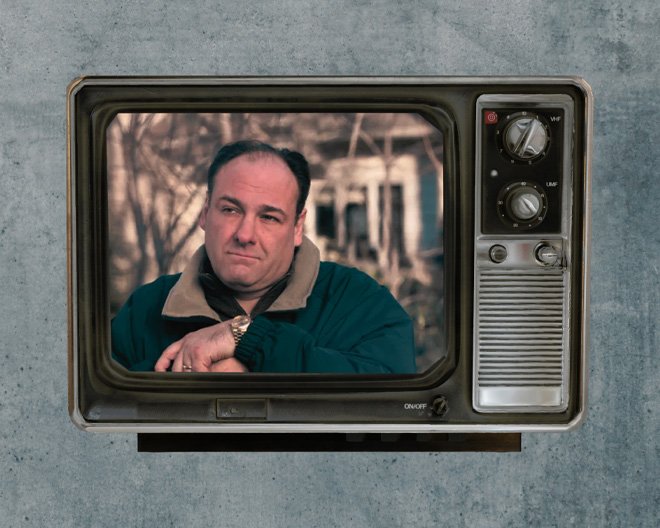
When The Sopranos first aired, the idea of a powerful mob boss attending therapy felt revolutionary. Tony Soprano wasn’t just a feared leader—he was vulnerable, anxious, and struggling to cope with the weight of his life. Through his sessions with Dr. Melfi, the show peeled back the tough exterior of its protagonist, revealing a depth rarely seen in crime dramas at the time. In doing so, The Sopranos shattered stereotypes, portraying therapy not as a weakness but as a brave step toward confronting personal demons.
In an era when therapy was often stigmatized, especially for men, Tony Soprano’s willingness to seek help signaled a cultural shift. Audiences were drawn into the raw, sometimes uncomfortable conversations between Tony and Dr. Melfi, which reflected the complexities of mental health in a way that felt authentic and relatable. By showing a powerful figure grappling with anxiety, panic attacks, and depression, The Sopranos normalized the idea that even the strongest individuals could benefit from professional help.
The Contrast of Violence and Vulnerability
Tony’s therapy sessions often explored his inability to reconcile his violent lifestyle with his desire for normalcy. The balance between his criminal activities and the intimate, revealing conversations with Dr. Melfi created a dynamic that challenged viewers to reconsider their perceptions of strength and masculinity. His panic attacks, which drove him to seek therapy in the first place, underscored the reality that mental health issues do not discriminate
Dr. Melfi’s calm, probing questions frequently forced Tony to confront uncomfortable truths about his upbringing, relationships, and fears. While he often resisted, the vulnerability he displayed in those moments resonated with audiences, offering a rare look at the emotional burdens carried by men in positions of power. These sessions added layers to Tony’s character, slowly unraveling the contradictions between his personal and professional lives.
Therapy as Character Development
Tony’s time in therapy wasn’t just a narrative device—it was integral to his character development. His evolving relationship with Dr. Melfi allowed the show to delve into complex psychological themes, creating a layered portrait of a man at war with himself. This nuanced exploration helped humanize Tony, turning him from a one-dimensional antihero into one of television’s most compelling and multifaceted characters.
Through therapy, the audience gained insight into the generational trauma that shaped Tony, adding context to his violent tendencies and fractured relationships. This complexity allowed viewers to empathize with him, even as they questioned his actions. It blurred the line between villain and victim, illustrating that therapy isn’t about absolution but understanding.
By portraying therapy as a recurring and essential part of Tony’s journey, The Sopranos sent a powerful message: mental health struggles are not something to hide from, but rather something to confront head-on. The show’s unflinching depiction of therapy laid the groundwork for more honest and nuanced portrayals of mental health in media.
The Cultural Impact
The influence of The Sopranos extended beyond entertainment. Its portrayal of therapy helped spark broader conversations about mental health, challenging harmful stereotypes and encouraging viewers to reflect on their own emotional well-being. By bringing therapy into the mainstream through the lens of one of television’s most iconic figures, The Sopranos played a crucial role in destigmatizing mental health care.
Even today, the legacy of The Sopranos endures, reminding us that strength isn’t about suppressing emotions but about facing them with honesty and courage. Tony Soprano’s therapy journey remains a testament to the power of vulnerability and the transformative potential of seeking help.
References
- Carlin, M. (2020). Breaking Stereotypes: Therapy Representation in Crime Dramas. The Journal of Popular Culture, 45(3), 305-319.