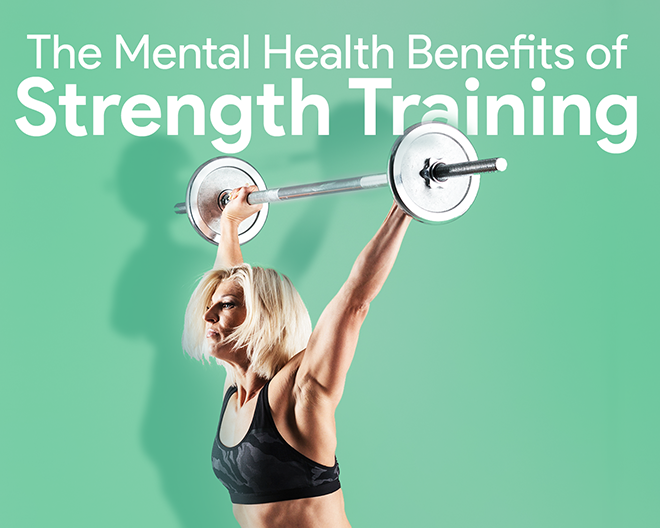
Strength training isn’t just about building muscle or achieving a personal best in the gym. Beneath the surface, the process of lifting weights carries significant mental health benefits, serving as a powerful tool for emotional well-being. Whether it’s squatting heavy, deadlifting, or simply progressing with dumbbells, strength training transforms not just the body but the mind as well. In a world where anxiety and depression are increasingly common, more people are turning to fitness as a way to stabilize their mental health and regain a sense of control.
Lifting weights can be a form of structured therapy—a predictable, progressive path that channels emotions and cultivates resilience. Unlike the chaos of daily life, the gym offers a space where individuals can focus on small, measurable goals, each success reinforcing the belief that growth, both physical and mental, is possible.
The process of setting goals and pushing through limitations mirrors the psychological work done in therapy, teaching patience, perseverance, and self-compassion along the way. The mental clarity that comes after a challenging workout is more than endorphins; it’s the realization that strength isn’t only physical but deeply emotional.
Strength training helps regulate mood by promoting the release of endorphins, neurotransmitters that improve overall well-being. These “feel-good” chemicals play a role in reducing symptoms of anxiety and depression, acting as a natural antidepressant. Beyond the biochemical benefits, strength training cultivates a sense of accomplishment. Each session, regardless of size, adds to the foundation of self-confidence, reinforcing the idea that progress is possible even during difficult times.
Moreover, the structured nature of weightlifting offers stability and routine—critical elements for individuals dealing with mental health challenges. The predictability of a training schedule can provide comfort, creating a space where the only focus is the present lift. This mindfulness, often referred to as the mind-muscle connection, pulls attention away from intrusive thoughts and back into the moment, fostering mental clarity.
The gym also serves as a space for personal growth and boundary-setting. As individuals develop physical strength, they often find parallels in their emotional resilience. Learning to set boundaries with training (knowing when to rest or modify) translates into the ability to set boundaries in daily life. Strength training becomes more than exercise; it becomes a metaphor for personal empowerment.
In addition, strength training reinforces delayed gratification, teaching the value of patience and persistence. Gains are not immediate, but consistent effort leads to undeniable progress. This lesson can extend into mental health, offering reassurance that healing is a gradual, non-linear journey that requires dedication.
Strength training offers something intangible—the opportunity to reshape not just the body but the mind. In an era where mental health struggles are prevalent, lifting weights serves as a reminder that we are capable of transformation, growth, and resilience. The strength gained under the barbell is reflected in the way we approach life’s challenges, building confidence and emotional fortitude one lift at a time.
Written by The Unlicensed Opinion
Honest reflections on mental health from someone on the journey—no clinical jargon, just genuine insight.
References
- Blumenthal, J. A., Smith, P. J., & Hoffman, B. M. (2012). Exercise and Mental Health: Stress, Depression, and Anxiety. Journal of Behavioral Medicine, 35(6), 537-546.
- O’Connor, P. J., Herring, M. P., & Caravalho, A. (2010). Mental Health Benefits of Strength Training. American Journal of Lifestyle Medicine, 4(5), 377-396.
- Stanton, R., & Reaburn, P. (2014). Exercise and the Treatment of Depression: A Review of the Exercise Program Variables. Journal of Science and Medicine in Sport, 17(2), 177-182.