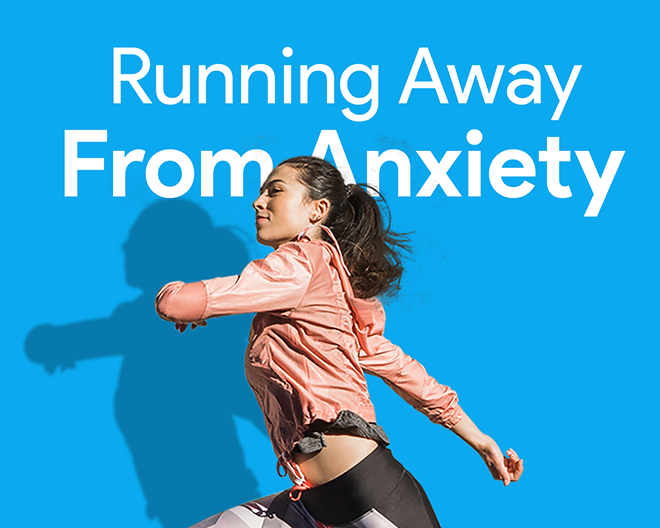
Anxiety has a way of creeping in, often when we least expect it. Racing thoughts, restlessness, and that feeling of being overwhelmed can make even simple tasks seem daunting. While therapy and mindfulness practices are often recommended, cardio exercise offers an alternative, natural way to manage anxiety and bring calm to the chaos.
Running, swimming, cycling—these activities are more than just physical workouts. They engage the mind and body in a rhythm that can be incredibly soothing. The repetitive, almost meditative nature of cardio helps redirect anxious thoughts and provides a much-needed mental reset. Beyond the physical benefits, cardio plays a powerful role in regulating emotions, acting as a natural antidepressant and stress reliever.
One of the primary ways cardio combats anxiety is by triggering the release of endorphins, the brain’s feel-good chemicals. This surge in endorphins not only lifts mood but also helps reduce cortisol levels, the hormone responsible for stress. Over time, regular cardio strengthens the nervous system, making it more resilient to daily stressors.
Rhythmic movement, such as the steady cadence of running or swimming, mimics the effects of meditation. The focus on breath and the body’s movement creates a sense of presence, pulling attention away from anxious thoughts. This “moving meditation” effect helps calm the nervous system and enhances mental clarity, leaving individuals feeling more grounded after a session.
Cardio also improves sleep quality—an essential factor in managing anxiety. By promoting deeper, more restorative sleep, exercise helps break the cycle of worry and fatigue, which often exacerbates anxiety symptoms. For many, a morning run or evening bike ride becomes a cornerstone in their mental health toolkit, offering structure and stability to their day.
Moreover, the goal-setting aspect of cardio provides a sense of accomplishment. Whether it’s reaching a new distance, improving pace, or simply staying consistent, these small victories build confidence and reinforce positive thinking patterns. The physical progress made through cardio often mirrors emotional growth, creating a feedback loop of self-improvement.
Cardio is not a cure-all, but it serves as a valuable companion to traditional mental health practices. In a world where stress and anxiety can feel overwhelming, lacing up your running shoes or diving into the pool can be a simple yet powerful step toward finding balance. Movement becomes more than exercise—it becomes a form of therapy, one stride or stroke at a time.
Written by The Unlicensed Opinion
Honest reflections on mental health from someone on the journey—no clinical jargon, just genuine insight.
References
- Ratey, J. J., & Hagerman, E. (2010). Spark: The Revolutionary New Science of Exercise and the Brain. Little, Brown and Company.
- Craft, L. L., & Perna, F. M. (2004). The Benefits of Exercise for the Clinically Depressed. Primary Care Companion to The Journal of Clinical Psychiatry, 6(3), 104-111.
- Anderson, E., & Shivakumar, G. (2013). Effects of Exercise and Physical Activity on Anxiety. Frontiers in Psychiatry, 4(27).