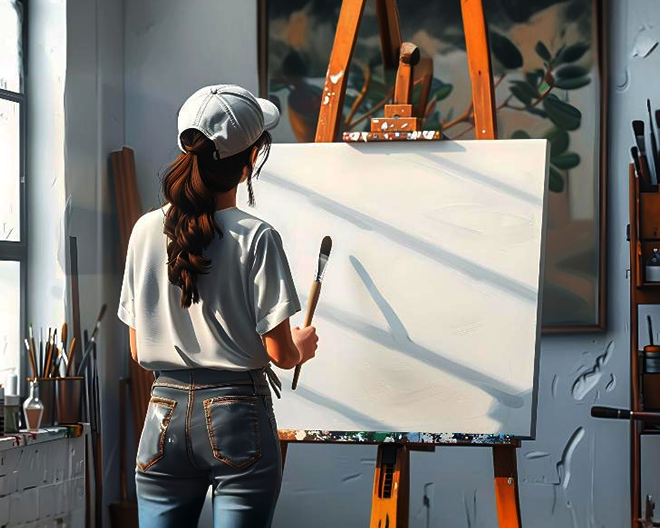
When life feels overwhelming, even the smallest activities can feel like lifelines. Whether it’s painting, gardening, knitting, or playing the guitar, hobbies provide a sense of grounding and stability that can make all the difference. In a fast-paced world, these moments of small joy aren’t just fun—they’re essential for mental health and emotional well-being.
Engaging in hobbies activates parts of the brain linked to pleasure and creativity, triggering the release of dopamine. This natural boost in mood helps reduce stress and fosters a sense of accomplishment. Psychologists suggest that hobbies serve as a form of mindfulness, pulling us into the present moment and away from the constant chatter of daily worries. Whether it’s the repetition of knitting stitches or the focus required to draw, these activities calm the mind and lower cortisol levels, the hormone responsible for stress.
Hobbies also create space for self-expression. In times when emotions feel bottled up or hard to articulate, creative outlets provide a non-verbal way to process feelings. A blank canvas or garden bed becomes a reflection of inner thoughts, allowing for gentle release and reflection. This connection between personal expression and mental health is why art therapy and similar practices are widely recommended for managing anxiety and depression.
Additionally, hobbies foster a sense of progress and purpose. Unlike the unpredictability of work or relationships, hobbies are areas where individuals can set their own goals and track their development. Watching a plant grow, finishing a puzzle, or mastering a new recipe reinforces a sense of capability and confidence. It reminds us that growth doesn’t have to be monumental to matter—sometimes the smallest victories are the most healing.
If you’ve been feeling untethered, reconnecting with a hobby can serve as a gentle reset. But if you don’t have a hobby—or aren’t sure where to start—that’s okay too. It’s never too late to discover something new.
Many people hesitate because they believe hobbies require talent or significant time, but hobbies thrive on curiosity, not perfection. The hardest part is often giving yourself permission to try without the expectation of being ‘good’ at it. It doesn’t have to be elaborate or time-consuming—sometimes it’s about revisiting a craft you enjoyed, experimenting with simple recipes, or rediscovering old interests like music or reading.
Explore different activities with curiosity rather than pressure. Take small steps—sign up for a beginner’s class, dabble in new projects at home, or ask friends about their hobbies. Even if something doesn’t stick, every attempt adds lightness to your day. Workshops, childhood activities, or simply picking up a book on an intriguing topic can spark new interests. These small joys aren’t just distractions; they’re forms of self-preservation, grounding us in joy and reminding us that peace is always within reach.
And if nothing clicks right away, that’s perfectly normal. The joy often lies in the exploration itself, allowing yourself the space to uncover what truly brings fulfillment.
Written by The Unlicensed Opinion
Honest reflections on mental health from someone on the journey—no clinical jargon, just genuine insight.
References
- Kashdan, T. (2022). The Joy of Small Things: Exploring Hobbies and Mental Health. Journal of Positive Psychology.
- Lambert, K. (2023). Mindfulness and Creative Practices: The Science Behind Hobbies. Wellness Press.
- Ryan, J. (2021). The Psychological Benefits of Leisure Activities. Mindful Living Magazine.