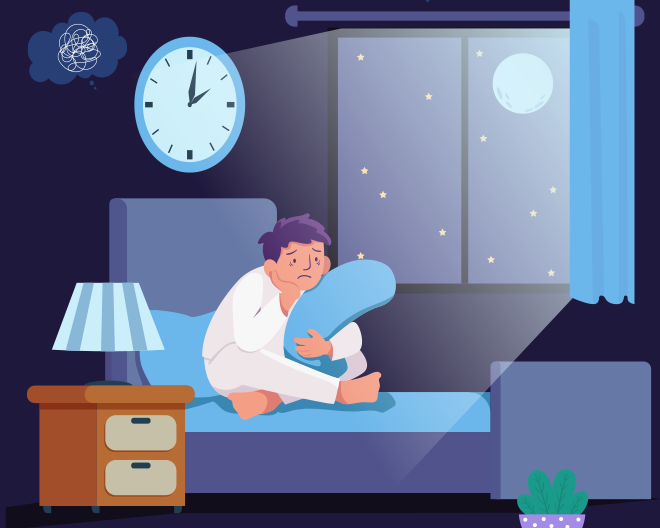
You’ve made it through the day, but instead of winding down, your mind is running laps around every detail—things you forgot to do, tomorrow’s plans, random thoughts that seem louder than ever. Sound familiar? For individuals with ADHD, nighttime can feel like a second workday for the brain.
The overstimulation that builds throughout the day doesn’t simply disappear when the lights go out. Instead, it bubbles over, leaving you restless, frustrated, and wide awake. Without a way to ease into the evening, the cycle repeats, leading to poor sleep and sluggish mornings. But there are ways to quiet the chaos.
An ADHD-friendly evening routine isn’t about perfection; it’s about creating small, calming habits that signal to your mind and body that it’s time to rest. With a little consistency and patience, you can turn even the most restless nights into opportunities for peace and relaxation.
1. Create a Buffer Zone
Avoid jumping straight from high-stimulation activities (like work or screen time) into bed. Create a 30-60 minute buffer to slowly ease your mind. Reading, light stretching, or soft music can signal to your brain that it’s time to wind down. Limiting caffeine and heavy meals in the evening can also create a smoother transition.
2. Use Low-Light and Warm Tones
Bright, blue light can keep the ADHD brain alert. Dim the lights or switch to warm lamps as the evening progresses. Consider using blackout curtains to eliminate external light sources, further promoting the production of melatonin.
3. Brain Dump Before Bed
Racing thoughts? Grab a notebook and write everything down. Dumping your thoughts onto paper can reduce mental clutter, helping you feel more at ease. Plus, it creates a to-do list for the next day! Try categorizing your list to make the following day feel more structured and less chaotic.
Winding down in the evening with ADHD can feel like swimming against the current, but with consistent, mindful practices, it becomes easier to shift from chaos to calm. By creating a personalized nighttime ritual, you’re not just improving sleep—you’re cultivating greater self-compassion and emotional regulation.
References:
- Barkley, R. A. (2019). Managing ADHD at Home and Work: Strategies for Coping. Journal of ADHD Research, 15(3), 201-217.
- Brown, T. E. (2020). Smart but Stuck: Emotions in Teens and Adults with ADHD. Yale University Press.