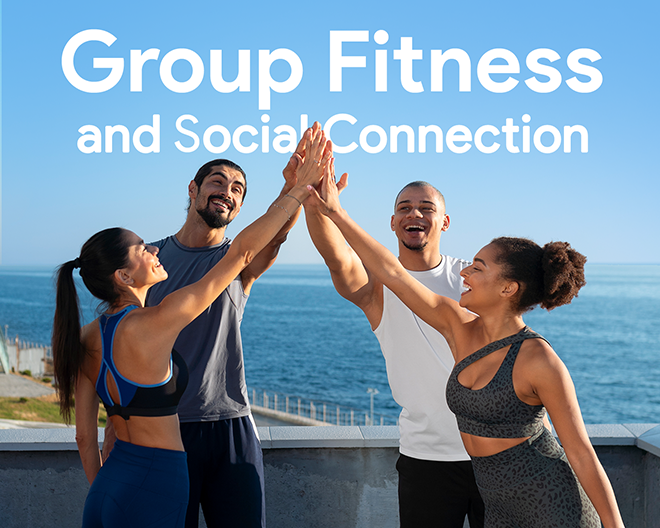
Exercise isn’t just about physical transformation—it can also be a powerful antidote to loneliness and social isolation. Group fitness classes, boot camps, and team sports create an entirely different experience, one grounded in connection and shared purpose. In a time where many people struggle with feelings of disconnection, the community aspect of group exercise plays a vital role in fostering mental well-being.
The social bonds formed during group workouts can significantly reduce symptoms of anxiety and depression. Simply showing up to a HIIT class, spin session, or yoga circle introduces opportunities for camaraderie and accountability. This sense of belonging helps participants feel part of something bigger than themselves, creating a support network that extends beyond the gym.
Group fitness also provides structure, an essential component for individuals managing mental health conditions. Knowing that a class happens at a specific time each week offers routine and stability, reinforcing a sense of purpose and consistency. The encouragement from instructors and fellow participants cultivates motivation, even on days when energy is low.
The collaborative environment of group fitness reduces the isolation that often accompanies mental health struggles. Engaging in collective exercise boosts oxytocin, a hormone linked to social bonding and trust, which enhances emotional connection and resilience. Furthermore, shared experiences, such as completing a challenging boot camp or finishing a team race, create lasting memories and deepen friendships.
In addition to emotional benefits, the physical exertion involved in group fitness promotes the release of endorphins—natural mood lifters that combat stress and elevate overall mental well-being. The combination of movement and social interaction creates a holistic approach to mental health, reinforcing the notion that healing can be both active and communal.
For those hesitant to join group fitness, it’s important to remember that community comes in many forms. Whether it’s a large class, a small yoga circle, or a local sports league, the key is finding an environment that feels welcoming and aligned with personal goals. The shared laughter, mutual encouragement, and collective progress remind participants that they are not alone in their journeys.
Group fitness transforms exercise into more than a solo pursuit. It becomes a pathway to connection, self-discovery, and emotional resilience. By stepping into a room filled with others who share similar goals, individuals tap into a sense of community that uplifts and sustains them long after the workout ends.
Written by The Unlicensed Opinion
Honest reflections on mental health from someone on the journey—no clinical jargon, just genuine insight.
References
- Yorks, D. M., Frothingham, C. A., & Schuenke, M. D. (2017). Effects of Group Fitness Classes on Stress and Quality of Life in College Students. American Journal of Health Promotion, 31(2), 109-117.
- Cohen, S., & Wills, T. A. (1985). Stress, Social Support, and the Buffering Hypothesis. Psychological Bulletin, 98(2), 310-357.
- Reiner, M., Niermann, C., & Jekauc, D. (2013). Long-Term Health Benefits of Physical Activity–A Systematic Review of Longitudinal Studies. BMC Public Health, 13(1), 813.