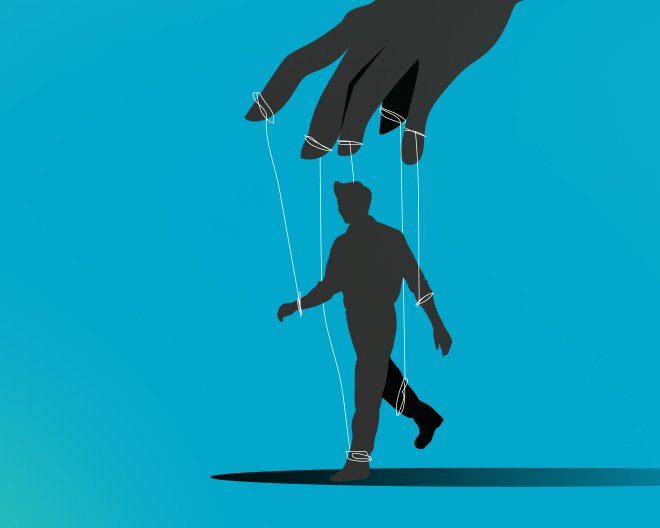
Gaslighting is a term that has gained widespread attention, and for good reason—it’s a manipulative tactic that can deeply impact a person’s mental health and sense of reality. As awareness of emotional abuse and psychological manipulation grows, so does the need to recognize, understand, and address gaslighting in all its forms.
This article will explore what gaslighting is, why it’s being talked about more than ever, and how to recognize and protect yourself from it.
What is Gaslighting?
Gaslighting is a form of emotional abuse where someone manipulates another person into doubting their own reality, perceptions, and memories. The term comes from the 1944 film Gaslight, in which a husband manipulates his wife into believing she is losing her sanity by dimming the gas lights in their home and denying that anything has changed.
Gaslighting can take many forms, including:
🚫 Denial & Discrediting – The gaslighter dismisses or denies your experiences:
“You’re imagining things.” or “That never happened.”
😡 Minimization – They downplay your emotions, making you feel irrational:
“You’re overreacting.” or “It’s not a big deal.”
🔄 Projection – They accuse you of the very behaviors they’re engaging in:
“You’re the one always causing drama!”
🌀 Twisting the Truth – They distort events to confuse you:
“You’re remembering it wrong.” or “That’s not what I said.”
The goal of gaslighting is to break down your confidence, create self-doubt, and make you more dependent on the manipulator.
Why Are We Talking About Gaslighting More Than Ever?
While gaslighting has always existed, it has become a more prominent topic of conversation for several reasons:
💡 Increased Awareness – As mental health education grows, people are becoming better at identifying toxic behaviors, leading to more open discussions about manipulation.
📱 Social Media & Digital Communication – Online interactions make it easier for gaslighters to distort reality, delete evidence, or manipulate narratives, causing even more confusion for victims.
✊ Empowerment Movements – Campaigns like #MeToo and other advocacy efforts have shed light on abuse, coercion, and psychological manipulation, encouraging survivors to speak out.
🎭 Normalization in Pop Culture – Many gaslighting tactics are subtly reinforced in TV, movies, and relationships, making it important to challenge and redefine healthy communication.
Understanding why gaslighting is so prevalent can help validate experiences and encourage those affected to seek support.
Recognizing the Signs of Gaslighting
Gaslighting can be subtle, making it difficult to pinpoint and name. If you often feel:
✅ Confused – You constantly second-guess yourself and struggle to trust your own memory or emotions.
✅ Overly Apologetic – You find yourself apologizing even when you haven’t done anything wrong.
✅ Emotionally Drained – You feel exhausted, anxious, or on edge around a particular person.
✅ Isolated – You withdraw from family and friends because of shame, embarrassment, or pressure from the gaslighter.
✅ Like You’re Walking on Eggshells – You hesitate to express your thoughts out of fear of being dismissed or attacked.
If any of these sound familiar, you may be experiencing gaslighting—and it’s not your fault.
How to Address Gaslighting
If you suspect you’re being gaslit, here’s how to protect yourself and regain confidence:
🛑 Trust Your Reality – Your experiences, feelings, and perceptions are valid—don’t let anyone convince you otherwise.
📖 Document Everything – Keep a record of interactions, texts, and emails to help you identify patterns of manipulation.
💬 Seek Support – Talk to trusted friends, family, or a therapist to gain clarity and validation.
⚡ Set Boundaries – Limit your exposure to the gaslighter and distance yourself from toxic interactions when possible.
🔍 Educate Yourself – Understanding gaslighting reduces its power over you—knowledge is a crucial tool for breaking free.
No one deserves to be manipulated, controlled, or made to feel small. Recognizing gaslighting is the first step toward reclaiming your truth and emotional freedom.
Final Thoughts
Gaslighting is a deeply harmful form of psychological manipulation that can have lasting effects on a person’s mental and emotional well-being. By raising awareness, recognizing the signs, and seeking support, we can break free from toxic dynamics and foster healthier relationships.
If you or someone you know is experiencing gaslighting, you are not alone, and support is available. Your reality matters, your voice deserves to be heard, and you are worthy of respect and trust.
References
- Stern, R., & Maruna, S. (2017). Gaslighting: A modern form of covert emotional abuse. Criminal Justice Studies, 30(4), 419-432.
- Sarkis, S. (2018). Gaslighting: Recognize Manipulative and Emotionally Abusive People–and Break Free. Da Capo Lifelong Books.
- Tafrate, R. C., & Mitchell, D. (2021). The Gaslight Effect: How to Spot and Survive the Hidden Manipulation Others Use to Control Your Life. Hachette Books.
- Simon, G. K. (2017). In Sheep’s Clothing: Understanding and Dealing with Manipulative People. Parkhurst Brothers Publishers Inc.
- Forward, S., & Buck, C. (2019).Emotional Blackmail: When the People in Your Life Use Fear, Obligation, and Guilt to Manipulate You. HarperCollins.